Digital Wallets: How They Work and Why They’re Changing How You Manage Money
When you pay for coffee with your phone, you’re using a digital wallet, a secure app or device that stores payment info to make purchases without physical cards. Also known as mobile wallets, it’s become the default way to pay for groceries, rides, and subscriptions—no cash, no card, just your phone or smartwatch. This isn’t just convenience. It’s a shift in how money moves, who controls it, and how your financial data gets used.
Digital wallets don’t exist in a vacuum. They rely on payment processing, the invisible system that moves money from your account to a merchant’s—think banks, card networks like Visa, and payment gateways. Behind the scenes, these systems use real-time fraud detection, API connections, and encrypted tokens to keep your data safe. That’s why your Apple Pay or Google Pay transaction feels instant, even though it’s passing through multiple layers of security. And as open finance, the extension of open banking that lets apps access your investment, loan, and crypto data grows, your digital wallet might soon hold more than just credit cards—it could hold your ETFs, crypto balances, or even your insurance policies.
Most people think digital wallets are just for paying. But they’re also tools for budgeting, tracking spending, and even earning rewards. Apps like Cash App and PayPal don’t just store your card—they link to your bank, send alerts when you overspend, and even let you invest spare change. That’s why they’re tied to fintech, companies using tech to make financial services faster, cheaper, and more accessible. The same tech that powers your wallet is the same tech behind budgeting apps, automated investing, and real-time fraud alerts. You’re not just paying with your phone—you’re interacting with a whole financial ecosystem.
And it’s not just for adults. Teens now have custodial accounts managed through fintech apps. Small businesses accept payments via digital wallets through BNPL integrations. Even crypto is starting to live inside these wallets—no separate exchange login needed. The lines between spending, saving, and investing are blurring because the infrastructure is getting smarter, faster, and more connected.
What you’ll find below isn’t just a list of articles. It’s a roadmap to how digital wallets fit into the bigger picture: how they connect to payment systems, how AI protects your data, how open finance expands their use, and how they’re reshaping everything from budgeting to investing. These aren’t theoretical ideas—they’re the tools real people are using right now to take control of their money. Whether you’re new to this or already using a wallet daily, there’s something here that’ll make you think differently about what’s in your pocket.
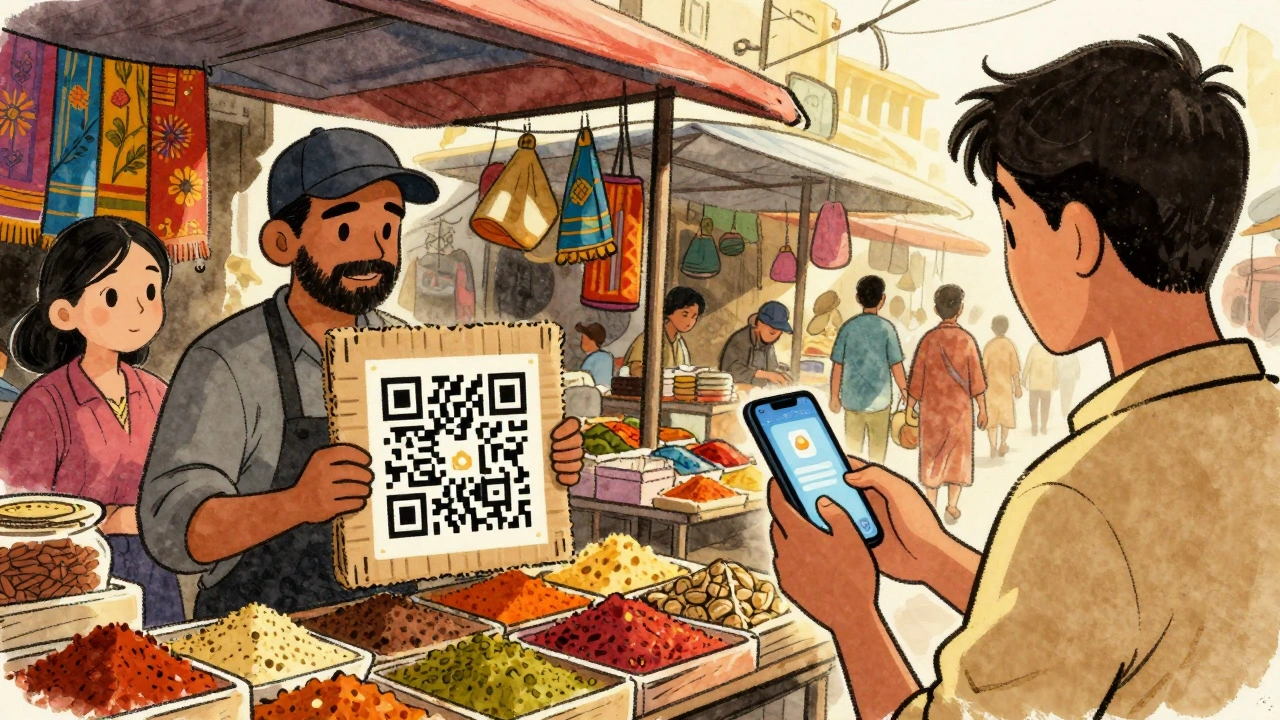
QR Code Payments: How Mobile Payments Are Evolving
QR code payments are transforming how money moves globally, offering low-cost, accessible transactions for consumers and small businesses. From India's UPI to PayPal's integration in the U.S., this technology is replacing cards in informal economies and beyond.
View More